Documentation Index

Fetch the complete documentation index at: https://help.latchel.com/llms.txt

Use this file to discover all available pages before exploring further.

Learn how the Rule Analyzer helps you write clearer, more accurate intake rules—and how to simulate a resident conversation to test them. We’re excited to introduce the Intake Settings Rule Analyzer, a built-in tool that helps you write better rules from the start. As you create or update rules in your Intake Settings, the system will automatically review your wording, flag anything that could be misinterpreted, and suggest improvements—so your rules work the way you intend them to.

What Is the Rule Analyzer?

The Rule Analyzer is a real-time feedback layer built directly into your Intake Settings rule editor. When you add or edit a rule, it:
  • Highlights potential issues with how the rule might be interpreted
  • Suggests wording improvements to make the rule more accurate and specific
  • Opens a conversation so you can chat through how you want to refine the rule before saving it This means fewer surprises when a work order comes in and your rules don’t fire the way you expected.
The Rule Analyzer is especially useful when writing rules that involve edge cases, temperature thresholds, or resident-responsible outcomes—these are the rules most likely to be misinterpreted.

Analyzing a Rule as You Write It

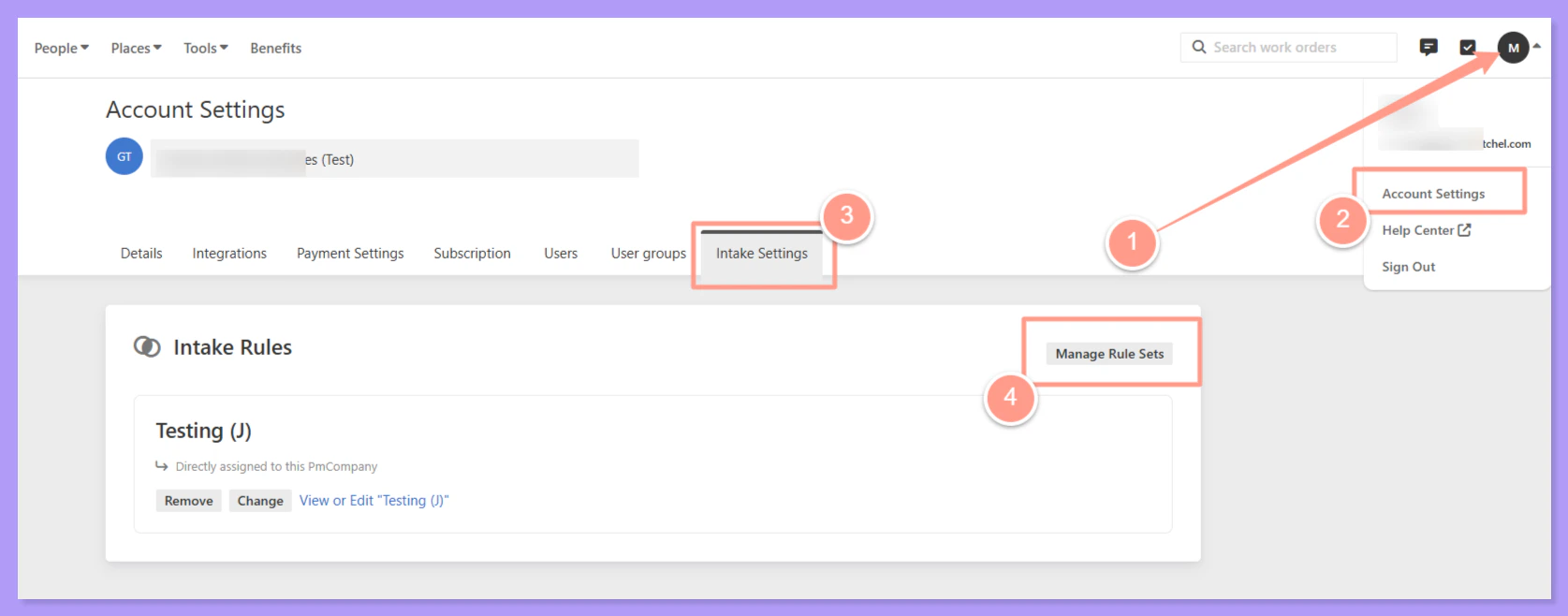
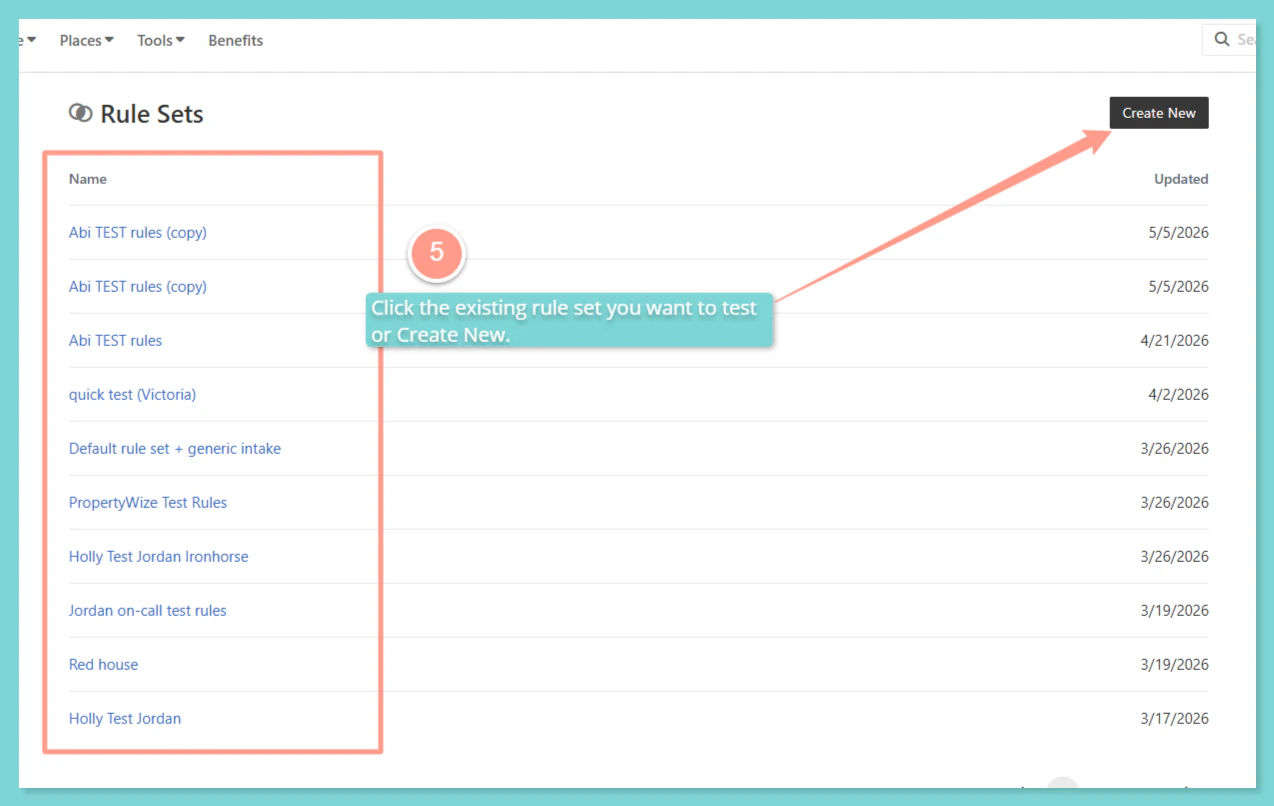
When you add a new rule (or edit an existing one), the Rule Analyzer runs automatically. Navigate to Account SettingsIntake Settings and open the rule set you want to edit.
Latchel 05 27 2026 09 48 AM
Click Create New Rule or click Edit on an existing rule.
Latchel 05 27 2026 09 50 AM
To learn more about Intake Settings and how to manage it, please visit:

Manage Intake Settings

Manage rules for your work orders to match your team’s preferences.
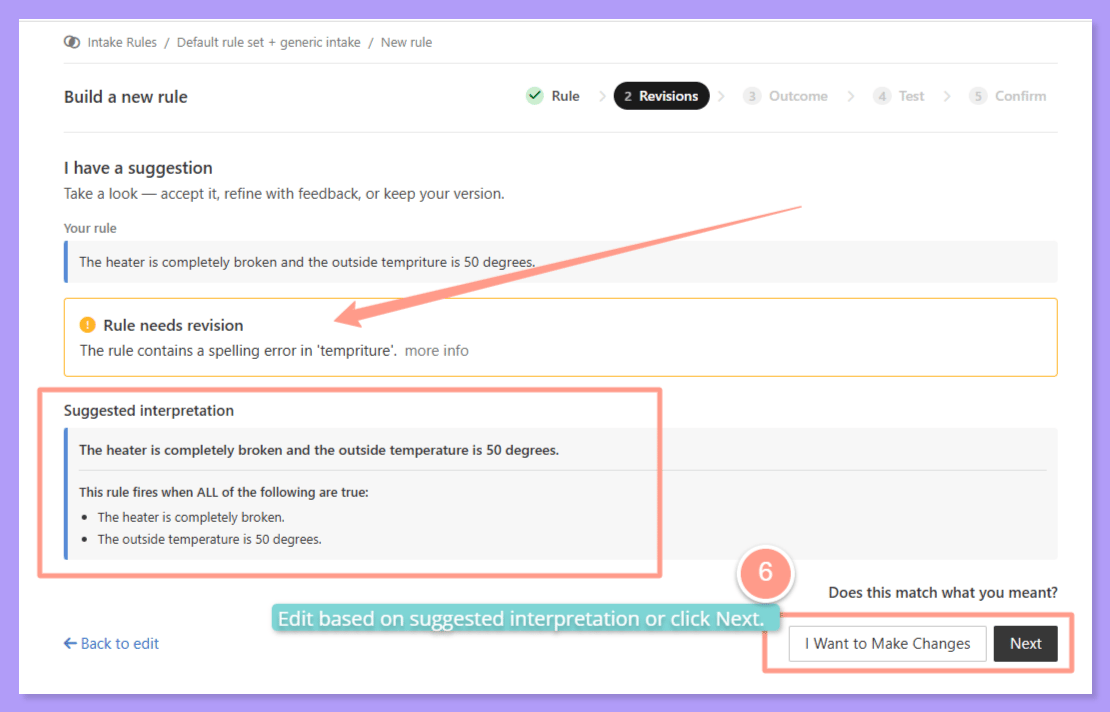
The Rule Analyzer will review your rule and display feedback below it—including any phrases that could be misread and suggested alternatives.
Latchel 05 27 2026 11 36 AM
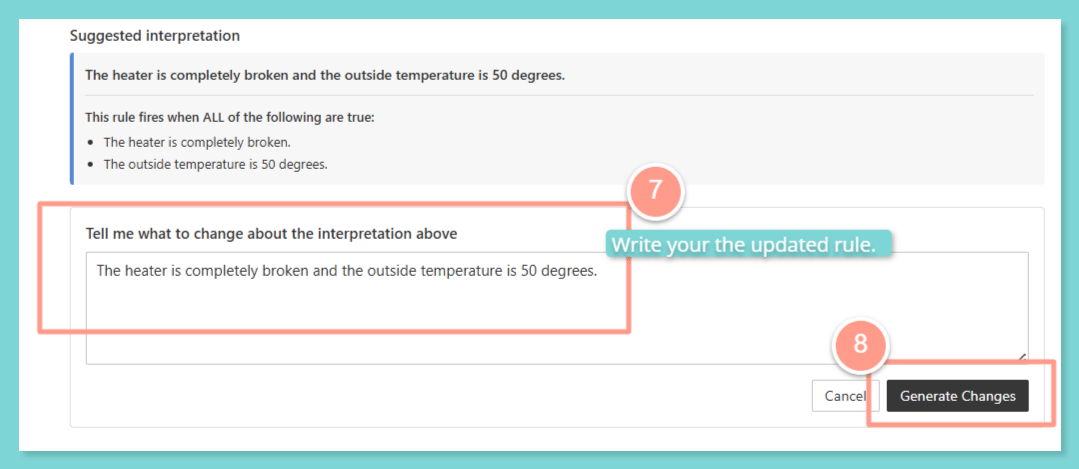
You can accept a suggestion directly, or type a reply to discuss how you’d like to adjust the rule. The system will help you refine the wording through a short conversation.
Latchel 05 27 2026 11 39 AM
Once you’re happy with the rule, click Save.
The Rule Analyzer is a guide, not a gatekeeper. You can still save a rule even if the analyzer flags it—but reviewing the feedback first is strongly recommended to avoid unexpected outcomes at intake.

Testing Your Rules with a Resident Simulation

In addition to analyzing rules as you write them, you can now simulate a resident intake conversation to test how your rules perform in a real scenario. This lets you walk through the intake flow as if you were a resident submitting a request—so you can see exactly how your rules respond before a real work order comes in. How to Run a Simulation
  1. From your rule set page, click the ellipsis menu (⋯) at the top of the screen.
  2. Select Test Issue from the dropdown.
  3. Enter a sample maintenance issue description to kick off the simulation.
  4. Walk through the conversation as if you were a resident. The system will ask troubleshooting questions and apply your rules in real time.
  5. At the end of the simulation, you’ll see which rule was matched and what the outcome would be (e.g., Emergency, Urgent, Normal, or Resident Responsible).
The Test Issue option is located in the ellipsis menu (⋯) at the top of the rule set screen. If you previously used Test Issue from a different location, note that it has moved to this menu.
Try testing with edge-case scenarios—the situations you’re least sure about. If the wrong rule fires, use the Rule Analyzer to refine your wording until the result matches your intent.

What’s Next for the Rule Analyzer?

The Rule Analyzer will continue to get smarter. Coming soon: the ability to trigger suggested rule edits directly from your Harmonia feedback widget—so feedback you provide on real work orders can flow back into improving your rules automatically.

Frequently Asked Questions

  1. Does the Rule Analyzer change my rules automatically?
No. The Rule Analyzer only makes suggestions. You stay in control—any changes to your rules require you to review and save them manually.
  1. What if I disagree with the analyzer’s suggestion?
That’s completely fine. The analyzer is designed to prompt a conversation, not override your judgment. You can dismiss a suggestion or explain your intent and the system will help you find wording that captures what you mean.
  1. Where did the Test Issue button go?
The Test Issue feature has moved to the ellipsis menu (⋯) at the top of the rule set screen. The functionality is the same—it’s just in a new location to make room for the improved simulation flow.
  1. Can I test rules for a specific portfolio or property?
Yes. Make sure you’re in the correct rule set before running a simulation. If you have rule sets configured at the portfolio or property level, open that rule set first, then use Test Issue from the ellipsis menu.